The first time I tasted Cacio e Pepe, I was instantly transported to a cozy Roman trattoria, the kind that feels like a warm hug after a long day. The simplicity of just a few ingredients—spaghetti, Pecorino Romano cheese, and aromatic black pepper—effortlessly melds into a creamy sauce that dances on your palate. What I love most about this dish is how it transforms a bustling weeknight into a special occasion without any fuss.
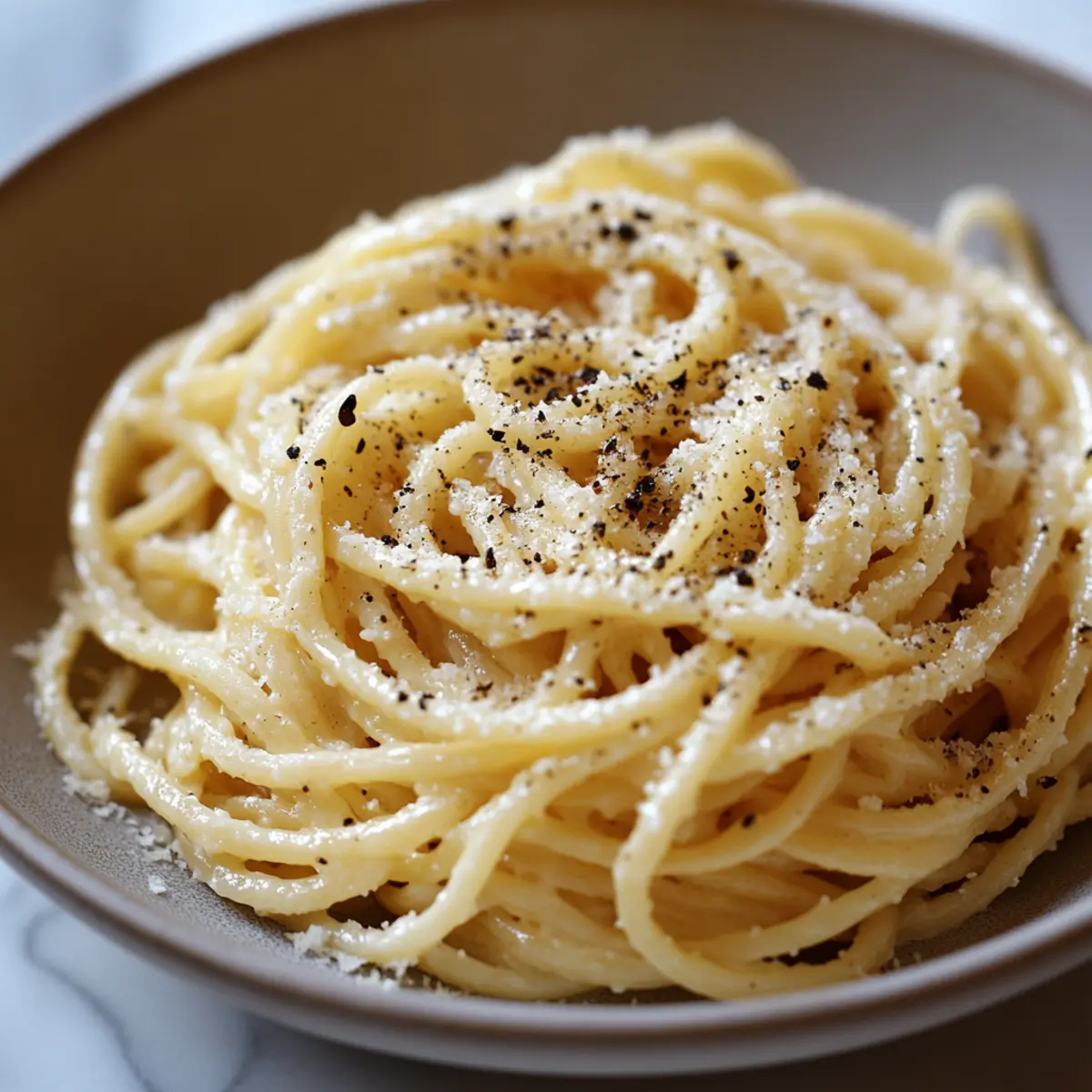
As someone who craves homemade meals over fast food, discovering this recipe felt like uncovering a culinary secret. In just 20 minutes, you can whip up a plate that impresses both friends and family alike while making you the hero of your own kitchen. If you’re tired of the same old pasta dishes or looking for something uniquely satisfying, let’s dive into this delightful classic that’s as easy to prepare as it is to enjoy!
Why You'll Love This Cacio e Pepe
- This Cacio e Pepe recipe is all about ease, as it requires minimal ingredients and just 20 minutes from start to finish.
- The incredible flavor of the Pecorino Romano cheese combined with freshly cracked black pepper creates a rich and satisfying experience that will leave your taste buds dancing.
- Its versatility makes it a perfect choice for a cozy dinner at home or a fancy gathering, allowing you to enjoy it any night of the week.
- Finally, the dish’s simple yet elegant presentation makes it visually appealing, ensuring that it will impress any crowd you serve it to and earn you rave reviews.
Cacio e Pepe Ingredients
• The key to this dish lies in its simplicity!
For the Pasta
- 12 oz spaghetti (or tonnarelli) – Use spaghetti for ease or tonnarelli for a more traditional texture.
For the Sauce
- 1 cup finely grated Pecorino Romano cheese – This cheese gives Cacio e Pepe its signature flavor, so don’t substitute for others.
- Freshly cracked black pepper – The fresher the pepper, the more aromatic your sauce will be; adjust to taste.
- Salt – Essential for seasoning the pasta water and enhancing flavors.
Optional Add-in
- 2 tablespoons unsalted butter – Adds extra creaminess to the sauce for a luxurious touch.
Now, with these simple yet essential ingredients, you’re ready to create a comforting dish that turns ordinary moments into something special! Enjoy the process of bringing this Cacio e Pepe to life.
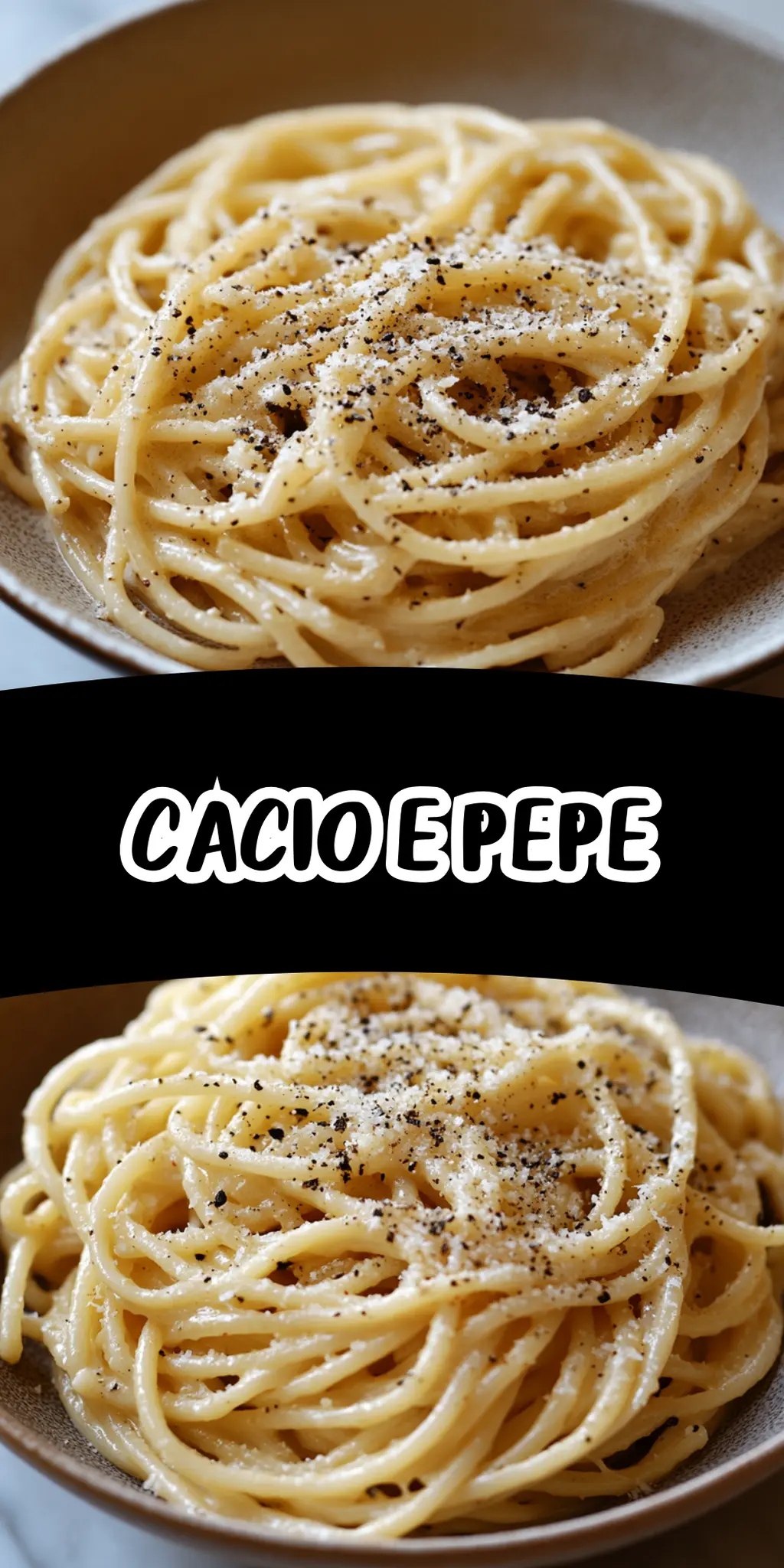
How to Make Cacio e Pepe
-
Boil Water: Bring a large pot of salted water to a rolling boil, inviting warmth and anticipation as your pasta journey begins.
-
Cook Pasta: Add the spaghetti and cook according to the package instructions until al dente, usually about 8-10 minutes. Remember to reserve about 1 cup of that precious pasta water before draining!
-
Grind Pepper: Coarsely grind a generous amount of black pepper, around 2 teaspoons or to taste, into a large skillet. The aroma should start to fill your kitchen, making it hard to resist!
-
Toast Pepper: Place the skillet over medium heat and toast the pepper for about 1 minute until fragrant. This step enhances the pepper’s flavor, making your dish irresistible.
-
Combine Pasta and Pepper: Once the pasta is cooked and drained, quickly add it directly to the skillet with the toasted pepper, letting the heat diffuse the flavor.
-
Add Cheese: Remove the skillet from heat and promptly add the grated Pecorino Romano cheese. Toss the pasta vigorously to combine, drizzling in reserved pasta water little by little until a creamy sauce forms.
-
Adjust Consistency: If the sauce feels too thick, gradually add more pasta water until you achieve that dreamy, velvety consistency.
-
Incorporate Butter: If you’re feeling indulgent, stir in the butter for an extra touch of creaminess that elevates your dish to new heights.
-
Serve: Plate up your Cacio e Pepe immediately, garnished with additional Pecorino Romano cheese and more freshly cracked black pepper for that extra pop!
Optional: Drizzle with a little olive oil for added richness.
Exact quantities are listed in the recipe card below.
What to Serve with Cacio e Pepe?
Cozy up your dinner table with delightful sides that enhance the creamy elegance of this classic Italian dish.
-
Garlic Bread: Perfectly toasted and fragrant, it complements the pasta’s richness while giving your meal a satisfying crunch.
-
Arugula Salad: The peppery greens add a refreshing contrast, brightening the palate after every creamy bite.
-
Grilled Vegetables: Charred bell peppers, zucchini, and eggplant provide a delightful smokiness and vibrant colors, enhancing the dining experience.
-
Lemon Sorbet: A light and zesty dessert, this cleanse the palate beautifully after the rich texture of Cacio e Pepe.
-
Malbec or Chianti: These bold red wines harmonize with the dish, deepening the flavor experience and enhancing the warmth of the meal.
-
Roasted Asparagus: Tender and slightly crispy, it adds a seasonal touch that pairs splendidly with the pasta’s creaminess.
With these thoughtful pairings, your Cacio e Pepe will be the star of an unforgettable meal!
How to Store and Freeze Cacio e Pepe
Room Temperature: Enjoy your Cacio e Pepe fresh for the best flavor, but if needed, it can sit out for about 2 hours before it should be refrigerated.
Fridge: Store leftover Cacio e Pepe in an airtight container for up to 3 days. To maintain creaminess, add a splash of reserved pasta water or olive oil before sealing.
Freezer: Although not ideal due to the sauce’s creamy texture, you can freeze Cacio e Pepe for up to 1 month. Thaw in the fridge overnight before reheating.
Reheating: Gently reheat on the stovetop, adding a little reserved pasta water or olive oil to restore creaminess, and heat until warmed through.
Cacio e Pepe Variations
Feel free to get creative with this recipe, adding your personal touch to each delicious bite!
-
Creamy Addition: Add a splash of heavy cream to the sauce for an even richer texture that makes every forkful luxuriate on the palate.
-
Herb Infusion: Toss in fresh herbs like basil or parsley for a pop of color and a fragrant lift intertwined with the dish’s classic flavors.
-
Garlic Kick: Sauté minced garlic in the skillet before adding the pepper for a warm, aromatic flavor that adds depth to your dish.
-
Cheese Swap: Try combining Pecorino Romano with Parmigiano-Reggiano for a different cheese profile that enhances both creaminess and flavor.
-
Spice It Up: Add a pinch of red pepper flakes to the skillet while toasting the black pepper for a gentle heat that awakens your taste buds.
-
Nutty Crunch: Incorporate toasted pine nuts or walnuts for a delightful crunch that contrasts beautifully against the silky pasta and sauce.
-
Zesty Twist: Squeeze fresh lemon juice over the finished dish for a bright, zesty finish that balances the richness of the pasta.
Letting your creativity flow will transform this classic into a new favorite each time you whip it up!
Make Ahead Options
Cacio e Pepe is a fantastic dish for meal prep, allowing you to enjoy homemade comfort on busy nights! You can prepare the spaghetti up to 24 hours in advance; simply cook it until al dente, cool it slightly, and toss it with a little olive oil to prevent sticking. Store it in an airtight container in the refrigerator. The cheese and pepper blend can also be prepped beforehand; just mix them in a bowl and keep them covered until ready to use. When you’re ready to serve, reheat the pasta gently in a skillet over medium heat, add the pepper mixture, and follow the remaining steps to finish your Cacio e Pepe with a splash of reserved pasta water for that creamy, restaurant-quality sauce!
Chef's Helpful Tips
- Make sure to reserve some pasta water before draining to achieve the perfect creamy sauce for your Cacio e Pepe.
- When grinding the black pepper, aim for a coarser texture to enhance the dish’s flavor and aroma.
- Toasting the pepper in the skillet for about a minute is crucial as it releases its essential oils, intensifying the overall taste.
- Remember to remove the skillet from heat before adding the Pecorino Romano cheese to prevent clumping and ensure a smooth sauce consistency.
Cacio e Pepe Recipe FAQs
How do I choose the right pasta for Cacio e Pepe?
Absolutely! For this classic dish, spaghetti works wonderfully, but if you want a more traditional texture, consider using tonnarelli. Just make sure it’s dried pasta, as fresh types can alter the sauce’s adherence.
How should I store leftover Cacio e Pepe?
Leftover Cacio e Pepe can be stored in an airtight container in the fridge for up to 3 days. To keep it creamy, I recommend adding a splash of reserved pasta water or a drizzle of olive oil before sealing the container. This small tip helps prevent the pasta from drying out.
Can I freeze Cacio e Pepe?
While Cacio e Pepe is best enjoyed fresh, you can freeze it for up to 1 month. To do this, let the dish cool, then portion it into airtight containers. When you’re ready to enjoy, thaw it in the fridge overnight. Reheat gently on the stovetop, adding a bit of reserved pasta water or olive oil to revive its creamy essence.
What if my sauce is too thick?
Very! If you find your sauce too thick after tossing everything together, don’t worry. Gradually add more reserved pasta water while tossing until it reaches that lovely, silky consistency. Remember to take your skillet off the heat before adding the cheese; this helps it melt evenly and prevents clumping.
Are there any dietary considerations I should be aware of?
When making Cacio e Pepe, it’s important to note that Pecorino Romano is a sheep’s milk cheese, which means it may not be suitable for those with lactose intolerance or a cow milk allergy. If you’re cooking for someone with dietary restrictions, consider using a lactose-free cheese option. Additionally, while this dish is safe for dogs in small amounts, the high salt content is not ideal for pets, so it’s best to keep it away from them!
Can I use a different cheese instead of Pecorino Romano?
While Pecorino Romano provides that signature flavor, you could experiment with Parmigiano-Reggiano for a milder taste. However, the authentic appeal of Cacio e Pepe shines through with Pecorino, making it a delightful choice!
Equipment
- Large pot
- skillet
- grater
- Measuring cups
- Measuring spoons
Ingredients
For the Pasta
- 12 oz spaghetti (or tonnarelli) Use spaghetti for ease or tonnarelli for a more traditional texture.
For the Sauce
- 1 cup finely grated Pecorino Romano cheese This cheese gives Cacio e Pepe its signature flavor.
- freshly cracked black pepper Adjust to taste.
- salt Essential for seasoning the pasta water.
Optional Add-in
- 2 tablespoons unsalted butter Adds extra creaminess to the sauce.
Instructions
How to Make Cacio e Pepe
- Bring a large pot of salted water to a rolling boil.
- Add the spaghetti and cook according to package instructions until al dente, usually about 8-10 minutes. Remember to reserve about 1 cup of pasta water before draining!
- Coarsely grind a generous amount of black pepper into a large skillet.
- Place the skillet over medium heat and toast the pepper for about 1 minute until fragrant.
- Once the pasta is cooked and drained, quickly add it directly to the skillet with the toasted pepper.
- Remove the skillet from heat and promptly add the grated Pecorino Romano cheese. Toss the pasta vigorously to combine, drizzling in reserved pasta water until a creamy sauce forms.
- If the sauce feels too thick, gradually add more pasta water until desired consistency.
- If using, stir in the butter for extra creaminess.
- Plate up your Cacio e Pepe immediately, garnished with additional Pecorino Romano cheese and more cracked black pepper.